
Choosing the right label adhesive isn’t always about selecting the “strongest” option — it’s about selecting the right adhesive for your specific product, surface, and environment.
If you’ve ever wondered:
- What adhesive works on detergent bottles?
- Do I need a different label for squeeze bottles?
- Will labels hold up in cold storage?
You’re not alone. These are some of the most common (and important) questions in label selection. And we happen to have exactly the answers you’re looking for!
This guide breaks down adhesive recommendations by real-world application so you can confidently choose the right solution for your product.
For a deeper technical breakdown of adhesive types and performance characteristics, see our Label Adhesive Comparison Guide.
Why Adhesive Selection Depends on the Product — Not Just the Label
Two products may use the same label material but require completely different adhesives.
Why?
Because adhesive performance depends on:
- Surface type (plastic, glass, metal)
- Surface energy (how easily something bonds)
- Environmental conditions (cold, moisture, chemicals)
- Handling (squeezing, abrasion, transport)
That’s why application-based selection is often the most reliable approach.
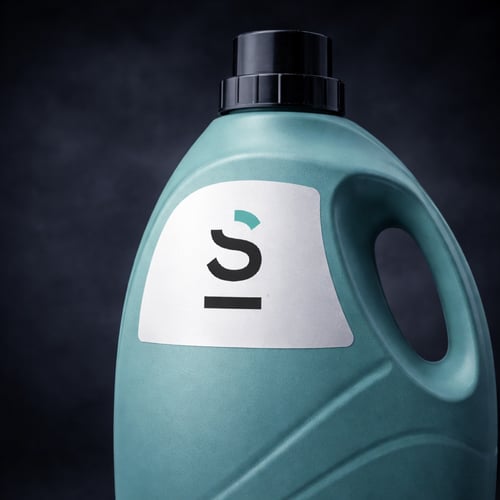
Labels for HDPE Bottles (Detergent, Chemicals, Household Products)
HDPE (high-density polyethylene) is one of the most common packaging materials — and one of the most challenging for adhesives.
Typical products:
- Laundry detergent bottles
- Dish soap containers
- Cleaning chemical jugs
- Shampoo and conditioner bottles
- Milk jugs
Why it’s challenging:
HDPE is a low surface energy plastic, meaning adhesives have a harder time bonding to it compared to materials like glass or PET.
Recommended adhesive:
- High-tack / aggressive permanent adhesive (if you’ve ever struggled to remove a label from packaging like this… you know what we mean)
Why it works:
High-tack adhesives are designed to:
- Bond to low-energy plastics
- Compensate for slightly textured or molded surfaces
- Maintain adhesion through handling and transport
Key considerations:
- Surface cleanliness matters — residue or mold release agents can reduce adhesion
- Curved surfaces increase stress on the label
- Overly aggressive adhesives may make removal difficult (if needed)
If your product is in a rigid, opaque bottle similar to a detergent or milk jug, it is very likely HDPE and will benefit from a high-tack adhesive.
Labels for Squeeze Bottles (Condiments, Cosmetics, Flexible Packaging)
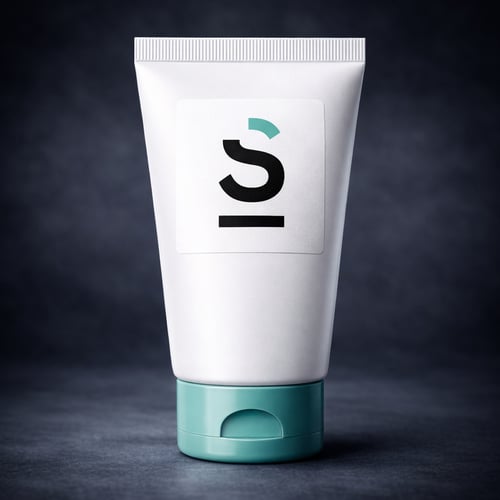
Squeeze bottles introduce a different challenge: flexibility. Not all adhesives are created to be mobile in the way that squeeze bottles are used, so special attention needs to be paid to the intended use of the product, not just it’s environment.
Typical products:
- Ketchup and mustard bottles
- Honey containers
- Lotion and cosmetic squeeze tubes
- Hand sanitizer bottles
Common materials:
- LDPE (low-density polyethylene)
- Flexible plastics
Why it’s challenging:
These containers:
- Flex and deform during use
- Create repeated stress on the label
- Often have curved or uneven surfaces
Recommended adhesive:
- High-tack adhesive (often paired with flexible facestocks like BOPP)
Why it works:
- Maintains bond even as the container flexes
- Prevents edge lift and wrinkling
- Adapts to surface movement over time
Key considerations:
- Pairing adhesive with the right facestock is critical
- Rigid materials may crack or lift under repeated squeezing
- Label placement (flat vs curved area) affects performance
If your packaging is soft and squeezable, it is often LDPE — and requires an adhesive that can handle movement, not just initial adhesion.
Labels for Refrigerated & Cold Storage Products
Cold environments introduce a completely different set of adhesive challenges.
Once these factors start to stack, this is when you’ll see your Summit Label Specialist shine—they’ll do all the legwork for you and advise you on the best adhesive, taking all of the overlapping variables into account.
Typical products:
- Beverage bottles (juice, dairy, kombucha)
- Prepared foods
- Pharmaceutical or medical products
- Products stored in cold rooms or freezers
Why it’s challenging:
Low temperatures can:
- Reduce adhesive tack during application
- Cause adhesives to become brittle
- Introduce condensation, which interferes with bonding
Recommended adhesive:
- Freezer-grade or cold-temperature adhesive
Why it works:
These adhesives are formulated to:
- Apply effectively in cooler conditions
- Maintain bond strength at low temperatures
- Resist moisture and condensation
Key considerations:
- Application temperature matters as much as storage temperature
- Labels applied warm and then chilled often perform better than labels applied cold
- Condensation is one of the most common causes of failure
Cold environments don’t inherently cause label failure — but they do require adhesives designed specifically for those conditions. Kind of like how winter temps can make your hands cold, unless you're wearing the right gloves.
Labels for Glass Containers (Food, Beverage, Cosmetics)
Glass is generally one of the easiest surfaces for adhesives — but that doesn’t mean all adhesives perform equally.
Typical products:
- Wine and beverage bottles
- Jars (sauces, preserves, honey)
- Cosmetic containers
Why it’s different:
Glass has high surface energy, which allows adhesives to bond more easily.
Recommended adhesive:
- Permanent acrylic adhesive (standard)
- Removable adhesive (for reusable containers or promotional use)
Why it works:
- Strong adhesion without requiring aggressive formulations
- Clean removal options available when needed
Key considerations:
- Condensation (especially for beverages) can still impact performance
- Textured or embossed glass may require stronger adhesives
- Label aesthetics (clear vs opaque) often drive material selection
Labels for Industrial & Chemical Applications
Some environments demand more than standard adhesive performance.
Typical products:
- Chemical drums
- Automotive fluids
- Industrial equipment
- Outdoor-exposed containers
Why it’s challenging:
Labels may be exposed to:
- Oils and solvents
- Abrasion
- UV exposure
- Extreme temperatures
Recommended adhesive:
- Chemical-resistant or specialty adhesive (often paired with PET facestock)
Why it works:
- Maintains adhesion in harsh environments
- Resists breakdown from exposure
- Preserves label readability over time
Key considerations:
- Adhesive and facestock must be selected together
- Regulatory or safety labeling requirements may apply
- Long-term durability is often critical
Common Mistake: Choosing Adhesive Based on “Strength” Alone
One of the most common misconceptions is that stronger adhesive is always better.
In reality:
- Too much adhesion can damage surfaces
- Incorrect adhesives can fail despite high initial tack
- The wrong adhesive often fails over time, not immediately
The goal is not maximum strength — it’s optimal performance for the application.
If you use a high-tack adhesive on a glass food jar, your label adhesion will be great—until your environmentally-conscious customers attempt to remove it to reuse the jar. You don't want your customers final experience with your product to be one of frustration when there's an adhesive option that's a better fit, right?
When to Test Your Labels
Even with the right adhesive selection, real-world testing is highly recommended.
Variables such as:
- Surface coatings
- Storage conditions
- Application method
- Handling and transport
can all impact performance.
A small test run can prevent large-scale issues later.
Not Sure Which Adhesive Is Right?
Adhesive selection is rarely based on a single factor.
Surface type, environment, temperature, and product handling all work together to determine the best solution. If you'd like a deeper dive into the details, head over to our Label Adhesives Comparison Guide.
If you’re unsure which adhesive is right for your product, working with a Label Specialist can help ensure you choose a solution designed for reliable, long-term performance. The Summit team is happy to help, just get in touch with us here, and we’ll walk through the process together.
Updated March 2026.
Follow Us